
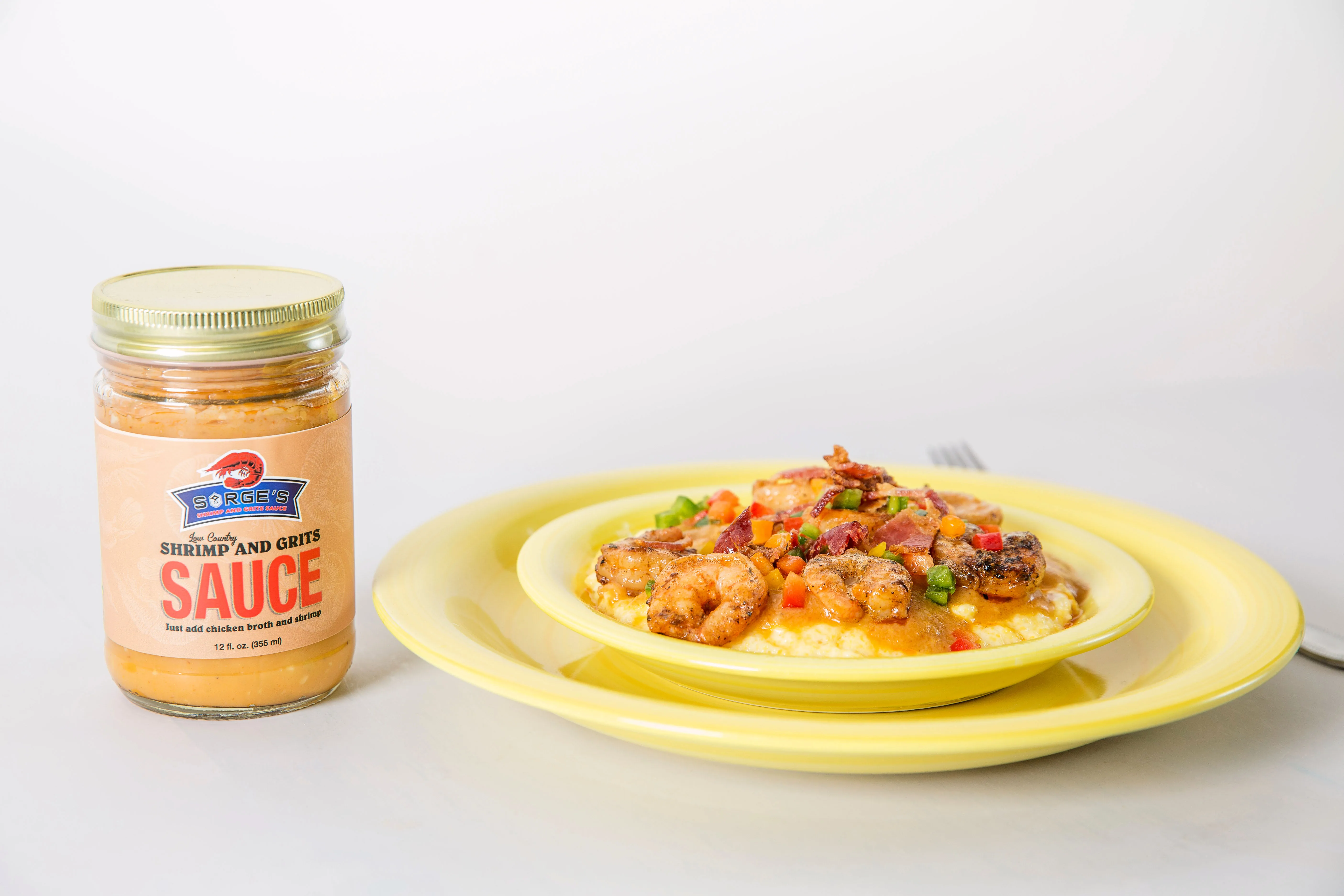
Shrimp and grits has the reputation of a special-occasion dish, but it does not have to be a project. The comfort comes from a few things working together: creamy grits, shrimp that stays tender, and a savory sauce with enough character to pull the bowl together. Once you understand the order of operations, the meal becomes a calm weeknight dinner instead of a restaurant-only treat.
What makes shrimp and grits taste right
There is room for personal taste in shrimp and grits, but the best bowls keep their jobs clear. The grits should be soft and spoonable, not stiff. The shrimp should be seasoned and cooked only until done. The sauce should bring salt, aromatics, and a little richness so the dish tastes complete without a long list of last-minute add-ins.
Think of the bowl as three layers. Grits are the creamy foundation. Shrimp and sauce carry the big flavor. A bright finish, such as scallions, parsley, lemon, or hot sauce, keeps every bite from feeling heavy. That simple structure makes it easy to adjust for a quiet dinner, a brunch table, or a crowd.
It also helps to decide what you want the bowl to feel like before you start. For breakfast or brunch, keep the grits especially soft and bring in bacon, greens, or an egg if that is your style. For dinner, a slightly deeper sauce and a vegetable on the side make it satisfying without making it fussy. Either way, the point is not to chase one official version. It is to make a bowl with enough contrast that you want another bite.
Ingredients for an easy shrimp and grits dinner
For a family-style dinner, start with stone-ground grits, shrimp, chicken broth, butter, and a prepared shrimp-and-grits sauce. Sarge’s sauce was made for this exact shortcut: warm it with chicken broth, add shrimp, and serve it over grits. A 12-ounce jar serves six or more, so it is especially handy when you want generous portions without making a separate gravy from scratch.
Keep the finishing touches flexible. Green onion brings a fresh onion bite. Lemon adds lift. A little bacon or andouille can add smoky richness, while sautéed peppers or greens can turn the meal into a fuller plate. None of those extras are required. Start with the main elements, then use what sounds good and what is already in the refrigerator.
A small amount of planning makes this meal feel effortless. Buy peeled and deveined shrimp if a faster dinner is the goal. Measure the grits and liquid before you put the pan on the heat. Slice your garnish while the grits are bubbling. That leaves only one short, focused cooking moment at the end, when the shrimp meet the sauce.
1. Start the grits first
Stone-ground grits take longer than quick grits, which is precisely why they deserve the first burner. Follow the package directions for liquid and timing, stirring often enough to keep them from catching at the bottom. When they are close to tender, stir in butter and season to taste. If they tighten while they sit, loosen them with a splash of warm water, milk, or broth rather than serving them in a solid mound.
The goal is a warm, creamy texture that settles into the bowl. Grits do not need to be fancy, but they do need attention near the end. A little extra liquid and a final stir usually make more difference than adding another handful of ingredients.
Do not worry if the pot looks a touch looser than you expected. Grits continue to absorb liquid as they rest, especially while you finish the sauce. The safest move is to serve them a little more relaxed than you think you need. If you are cooking for guests, hold back a little hot liquid in a mug or small saucepan so you can refresh the texture just before everyone sits down.
2. Build the sauce while the grits cook
Set a wide skillet over medium heat and warm Sarge’s Shrimp and Grits Sauce with chicken broth as directed on the jar. The skillet matters because it gives the shrimp room to cook in a shallow layer instead of steaming in a crowded pile. Bring the sauce to a gentle simmer, not a hard boil, so the flavor can warm through while the grits finish.
If you are adding bell pepper, onion, sausage, or bacon, cook those ingredients first and then build the sauce in the same pan. That lets the finished bowl pick up their savory flavor without asking you to manage several skillets at once. For the simplest version, skip the extras and let the sauce do its job.
Taste the sauce before the shrimp go in, then make only small adjustments. A few drops of hot sauce can bring heat. A squeeze of lemon can brighten a rich sauce. A splash of broth can loosen one that has reduced more than you like. Those are practical finishing moves, not rules. They make it easier to cook from the ingredients you have instead of abandoning dinner because you do not have one more item on a recipe list.
3. Add shrimp at the last minute
Pat the shrimp dry, then add them to the gently simmering sauce in a single layer. Turn them as they cook and remove the pan from heat as soon as they are firm, pearly, and opaque. The FDA uses that change in appearance as a doneness cue for shrimp, so there is no prize for leaving them in the pan longer. FDA seafood guidance also recommends thawing frozen seafood in the refrigerator overnight, or in cold water when you need a quicker option.
This is the step that turns a good bowl rubbery if it gets rushed. Shrimp cook quickly, and carryover heat keeps working after the burner is off. Have the grits ready before the shrimp go in, then move straight to serving once they are done.
Size affects timing, too. Smaller shrimp may need only a very brief cook, while larger shrimp will take a little longer. Watch the shrimp rather than the clock, and do not stack a second layer into the skillet if the pan is crowded. Cooking in batches is better than overcooking the first batch while you wait for the middle to catch up. It is a small habit that makes the finished dinner feel much more polished.
4. Serve while everything is warm
Spoon grits into shallow bowls, pile the shrimp on top, and ladle on enough sauce to reach the edges. Finish with sliced scallions, parsley, a squeeze of lemon, or hot sauce if you like a little more spark. Serve it right away, while the grits are silky and the shrimp are tender.
For a simple side, choose something crisp or green: roasted vegetables, sautéed collards, a vinegar-forward salad, or cornbread. The contrast is useful because shrimp and grits is rich by nature. A fresh side makes the meal feel balanced without taking attention away from the bowl.
If you are feeding several people, set out the finishing ingredients at the table and let everyone adjust their own bowl. Some guests will reach for lemon, some for hot sauce, and some for extra scallions. This is a generous, practical way to serve a family-style meal because the core dish stays simple while every bowl can feel personal.
Common shrimp and grits mistakes to avoid
Do not start the shrimp before the grits are ready. Shrimp wait poorly, while grits can hold for a few minutes with a splash of liquid and an occasional stir. Do not let the sauce boil hard after the shrimp go in. A gentle simmer gives you more control and keeps the texture tender.
Avoid treating the sauce as an afterthought. The sauce is what connects the grits and shrimp, so taste it before serving. If it needs brightness, use lemon. If it needs a little more heat, use hot sauce. If it has thickened more than you like, loosen it with a small splash of broth. Those adjustments are easier and more useful than adding a dozen seasonings at the end.
Another common problem is trying to do every task at once. Make a short sequence instead: grits first, sauce second, shrimp last, garnish at the table. That order is easier to remember and gives each part the attention it needs. It also makes cleanup kinder, because you are using the same skillet for the flavorful parts of the meal instead of creating a sink full of pans.
Finally, do not mistake a small amount of sauce for a better bowl. Shrimp and grits should be moist enough that a spoon gathers grits, shrimp, and sauce together. If the sauce is scarce, the grits can feel dry by the time you reach the bottom. Save a little extra for the table, especially when serving a crowd, so every bowl stays generous from the first bite to the last.
How Sarge’s makes the easy version easier
Chef Julius West’s shrimp and grits became the dish guests kept coming back for at Sarge’s Chef on Wheels. The sauce brings that food-truck favorite home in a jar, so home cooks can focus on creamy grits and perfectly timed shrimp instead of building a long sauce from scratch. Read the family story behind Sarge’s to see how the recipe moved from the truck to the pantry.
If you are stocking up for your first bowl or your next dinner with friends, explore Sarge’s sauce, stone-ground grits, and seafood seasoning. The trio keeps the essential flavors in one place and makes a dependable dinner feel much more doable.
The best shortcut is one that still tastes like you cared. That is the role Sarge’s plays here. It gives the sauce a dependable, food-truck-inspired starting point, while you still get to choose the shrimp, the texture of the grits, and the final touch at the table. That balance makes it useful for a Tuesday night and worthy of company on the weekend.
Keep a jar on the shelf for the nights when you want a dinner that feels made from scratch without beginning from scratch. Pair it with shrimp from the freezer and a bag of stone-ground grits, and the decision about what to cook is already mostly solved.
Once you have made the bowl a couple of times, it becomes a useful template rather than a one-time recipe. Change the vegetable, switch the garnish, or make it a little more or less spicy. The dependable order stays the same, which is exactly what makes it a good meal to keep in your regular dinner rotation.
Frequently asked questions
Can I use frozen shrimp for shrimp and grits?
Yes. Frozen shrimp is a practical choice for this dish. Thaw it safely, pat it dry, and add it only when the sauce is gently simmering so it stays tender.
What kind of grits are best for shrimp and grits?
Stone-ground grits bring a robust corn flavor and creamy texture. They take more time than quick grits, so start them first and keep a little warm liquid nearby to loosen them before serving.
How do I keep shrimp from getting rubbery?
Cook shrimp at the end, in a gentle simmer, and stop as soon as they are firm and opaque. Have the grits ready before they go into the pan, because a few extra minutes of heat can make a real difference.